

The Buddha : ค้นหาหนังสือธรรมะ หน้า 34 / 47
หน้าหนังสือทั้งหมด
53
การเอาชนะความฟุ้งซ่านเพื่อความสุขภายใน
…andering mind, everything will become easier.
A wandering mind is one of the obstacles to attaining the Buddha within.
If you strive to overcome a wandering mind and tension,
it will make things easier. Practic…
การเอาชนะความฟุ้งซ่านในใจเป็นกุญแจสำคัญที่จะทำให้ชีวิตของเราง่ายขึ้น ความฟุ้งซ่านมักเป็นอุปสรรคต่อการเข้าถึงพระภายในของเรา การทำสมาธิและรักษาความคิดให้อยู่กับปัจจุบัน จะช่วยให้เราได้พบกับความสุขที่แท้
14
ความสงบในจิตใจและการเชื่อมต่อกับธรรม
ติแต่ดวงธรรม
ติแต่คงพระภายใน
ใจอยู่กับเนื้อกับตัว
ติอยู่ตรงศูนย์กลางกายตลอดเวลา
ติแนนี่นั่งเป็นหนึ่งเดียวกันเลย
เชื่อมอยู่กับความสุขภายใน
The still mind will not attach to anything;
only Dhamma spher
การพัฒนาสติและความสงบในจิตใจเป็นสิ่งสำคัญในการเข้าถึงความสุขที่แท้จริง การนั่งสมาธิเสริมสร้างความสัมพันธ์กับด้านในของตนเอง ทำให้เราอยู่ที่จุดศูนย์กลางของร่างกายและรู้สึกเป็นหนึ่งเดียวกัน มันจะเป็นกระบ

42
Das Leben vor der Ordination
Das Leben vor der Ordination wird unterschiedlich
erlebt – einige fanden es gut, andere schlecht.
Wenn manche nach der Ordination in der Meditation
in ihrem inneren ein helles Licht und Glückseligkeit
Das Leben vor der Ordination wird unterschiedlich erlebt. Einige empfinden Freude, andere nicht. Nach der Ordination erfahren manche in der Meditation ein inneres Licht und Glück, was den Wunsch verst
56
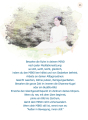
Die Kunst der inneren Ruhe
Bewahre die Ruhe in deinem MIND
nach jeder Meditationssitzung:
sei still, sanft, leicht, glücklich,
indem du den MIND leer hälst und von Gedanken befreist.
Arbeite an deinen Alltagsroutinen:
Gesicht w
Dieses Kapitel ermutigt jeden, ein ruhiges und glückliches Leben zu führen, indem man nach Meditation still und friedlich bleibt. Es werden Alltagsroutinen vorgeschlagen, die helfen, den Geist zu klär
70
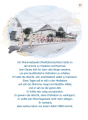
Der Weg zur inneren Ruhe
Ein Dhammadaya (Meditationschüler) lebte an der Grenze zu Thailand und Myanmar.
Sein Glaube ließ ihn über viele Berge wandern,
um eine buddhistische Ordination zu erhalten.
Er hatte die Absicht, sich
Ein Dhammadaya-Schüler lebte an der Grenze zu Thailand und Myanmar. Sein Glaube führte ihn über Berge, um eine buddhistische Ordination zu erhalten. Während der Meditation sah er Dhamma-Kugeln und Bud
82
Meditation für inneren Frieden
Schließe deine Augen und meditiere.
Fühlst du dich gut,
glücklich, dann ist es ein guter Anfang:
leicht, relax, gelöst, still, sanft, mit dem Wunsch,
für längere Zeit in diesem Moment zu verweilen.
St
In dieser Anleitung zur Meditation lernst du, wie du durch das Schließen deiner Augen und das Fokussieren auf innere Bilder, wie eine Kristallkugel oder ein Buddha-Bild, einen Zustand von Glück und Ru
86
การฝึกซ้อมการทำสมาธิ
การฝึกซ้อม
วันไหนนั่งดี ๆ นั่งต่อไปเลย โดยไม่ต้องคำนึงเรื่องของเวลา ลืมภารกิจไปก่อน เพราะว่าจะได้ใจที่ละเอียดยิบเป็นสมาธิ เห็นความสว่าง เห็นดวงธรรม หรือเห็นองค์พระไม่ได้เกิดขึ้นง่าย ๆ
Practice, repea
การทำสมาธิเป็นการฝึกที่ต้องใช้เวลาและความพยายาม ควรนั่งสมาธิอย่างต่อเนื่องในวันที่ทำได้ดี โดยไม่ต้องคำนึงถึงเวลาและหน้าที่ เพื่อให้จิตใจเข้าถึงสภาวะที่ละเอียดอ่อน เห็นแสง เห็นดวงธรรม หรือองค์พระไม่ได้
94
นอกกรอบรักษาใจ
นอกกรอบรักษาใจ
นิ่งถึงดวงธรรม นิ้งถึงองค์พระหรือกนิ้งถึงเรื่องที่ปลิ่ม ๆ
เรื่องบริสุทธิ์ เรื่องสบายใจ
เพื่อให้ใจอยู่อย่างในไม่ออกไปไหน
รักษาอารมณ์สบายสั่งสมอารมณ์นี้นิ่ม
เส้นทางแห่งความละเอียดย
After
บทความนี้เสนอแนวทางในการรักษาใจหลังการทำสมาธิ โดยแนะนำให้คิดถึงธรรมะและองค์พระหรือสิ่งที่ทำให้รู้สึกสุขใจ เพื่อรักษาความรู้สึกสบายและความสงบในใจ เสนอโอกาสในการเก็บเกี่ยวความรู้สึกที่ดีและพัฒนาจิตใจให้
102
การนั่งสมาธินิ่งสงบเพื่อเห็นธรรม
คำพูดที่ว่า "อย่าอยากเห็น ถ้าใจเย็นจะเห็นเอง" หมายถึงให้นิ่งกับเรื่องของอารมณ์ถ้ารักอารมณ์สบายสัตว์อย่างต่อเนื่อง เดี๋ยวภาพภายใน ดวงธรรม องค์พระจะมาให้เห็นเอง นั่งสมาธิด้วยใจที่สบาย ใจเย็น ๆ จนถึงจุดเ
การกล่าวถึงการนั่งสมาธิอย่างสงบเพื่อให้เห็นภาพภายในใจ เช่น องค์พระและภาพธรรม ซึ่งจะเกิดขึ้นเองเมื่อมีความรู้สึกสุขสงบและใจเย็น เทคนิคในการทำสมาธิคือให้นั่งด้วยความรู้สึกสบายใจและให้ระลึกถึงลมหายใจ ซึ่
14
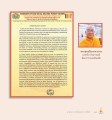
Celebrating 55 Years of Dhammakaya Foundation Day
…and Inclusivity for Human Dignity” World Peace and Sustainable Development through the teachings of the Buddha.” And a) Cultivating Inner Peace for World Peace; b) Forgiveness and Mindful Healing: A Path to Rec…
…human dignity, appreciated by various international communities and organizations. The teachings of the Buddha continue to inspire efforts for unity, inclusivity, and sustainable development. The contributions …
3
The Buddha’s First Teaching
…ional Library of Thailand Cataloging in Publication Data
Phrabhavanaviriyakhun (Phadet Dattajeevo)
The Buddha’s First Teaching
Pathum Thani: Dhammakaya Foundation, 2002.
257p.
1. Buddhism — Doctrines. 2. Philo…
… explicated by Phrabhavanaviriyakhun (Phadet Dattajeevo). The text provides an in-depth analysis of the Buddha's first teachings and their philosophical implications. Released in the year 2002, this work emphas…
5
Advanced Concepts in Buddhism
…seholders who might feel perfectly contented with their lot in life. There may be a tendency to see the Buddha's renunciation of the world as at best irrelevant to themselves or extreme, or at worst irresponsib…
…n misconceptions people have about life, health, and youth, and lays a foundation for understanding the Buddha's path for those who may feel disconnected from these ideas. The text encourages deeper reflection …
12
The Noble Eightfold Path: Key Concepts and Insights
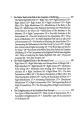
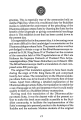
…e of Right Concentration 174 • The Focussing Role of Right Concentration 174
9 The Enlightenment of the Buddha's First Disciple .................................. 175
Two types of Dhammacakka 175 • Three Cycles…
…ements. The culmination of this teaching leads to enlightenment, as evidenced by the experiences of the Buddha's first disciple, Konda[na]ṇa.
16
Understanding the Dhammacakka Pavattana Sutta
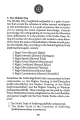
…to facilitate the implementation of this Sutta’s message into personal practice in the footsteps of the Buddha and the arahants. Modern students of the original
…l adoption in the Buddhist community, fostering deeper understanding and practice in alignment with the Buddha's teachings.
25
The Middle Way: A Path to Liberation
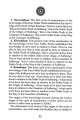
3. The Middle Way
The Middle Way [majjhima paṭipadā] is a path of practice that avoids the extremes of either sensual indulgence or self-mortification. It is a path of practice that is conducive to ta
…ning in Wisdom. These teachings are instrumental in Prince Siddhattha’s journey to enlightenment as the Buddha, allowing him to gain insight into the Four Noble Truths regarding suffering and its causes. For fu…
27
Understanding the Four Noble Truths in Buddhism
…in Table I.
The attainment of all twelve of the stages of the cycle of examination, are what made the Buddha dare to testify to
…derstanding essential for spiritual growth. The elucidation of these truths forms the foundation of the Buddha's teachings, encouraging practitioners toward enlightenment. For more insights, visit dmc.tv.

30
The Middle Way: Balancing Sensual Indulgence and Self-Mortification
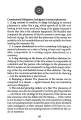
the harmfulness of the extremes of sensual indulgence and self-mortification, and advocated the following of the Middle Way or Noble Eightfold Path, the ‘group of five’, especially Keṇḍāṇa who was mos
This text discusses the risks associated with extreme sensual indulgence and self-mortification, underscoring the importance of following the Middle Way or Noble Eightfold Path. It highlights Keṇḍāṇa,
32
Metaphors of Sensual Indulgence
…lowing in the warm mud and dung of its pigsty because it thinks that this is the ultimate happiness.The Buddha also compared the pleasures of the five senses to sewerage, also beloved of pigs. He said that the …
…g with bones, it emphasizes the temporary nature of sensory pleasures. These comparisons illustrate the Buddha's teachings on the futility of seeking happiness through the five senses, suggesting that such purs…
48
Understanding Dhammacakkapavattana Sutta
… about the sermon is the way it shows the interconnection between these three Dhamma groups — as if the Buddha himself were the wheelwright who had assembled the frag-
ments into a coherent and usable whole. Th…
In the Dhammacakkapavattana Sutta, the Buddha presents interconnected teachings that highlight the importance of the Four Noble Truths, Dependent…
53
The Noble Truth of the Origin of Suffering
2. Explanation of the Noble Truth of the Origin of Suffering
The Lord Buddha’s explanation of the Origin of Suffering includes all four of the Origin of Suffering’s implications in the light of the Fo
The Lord Buddha explains the Origin of Suffering, emphasizing craving as the root cause affecting all living beings. It identifies two forms of craving: self-centred craving (for personal advantage) a